How to build a raised garden bed in Australia
Raised garden beds warm up faster, drain better and save your back, which is why they’re so popular for growing vegetables and herbs across Australia. A good bed comes down to the right spot, a sensible size and the right soil.
How do you build a raised garden bed?
Pick a sunny, level spot, assemble a steel kit or build a frame from timber or sleepers, then fill it with a mix of about 60% soil and 40% compost. Keep the bed no wider than about 1.2 m so you can reach the middle. A 2.4 × 1.2 m bed filled 30 cm deep needs about 864 litres of soil, around 35 × 25 L bags.
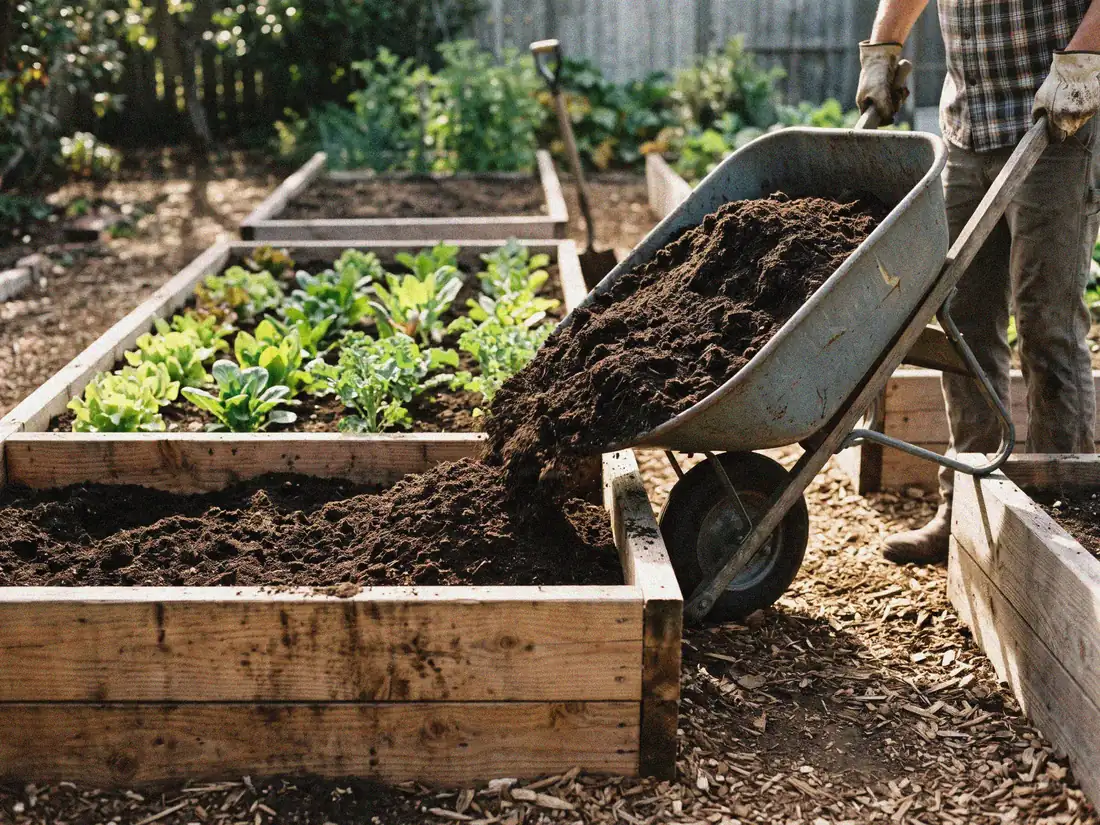
Where should I put a raised garden bed?
- Sun: most vegetables grow best with plenty of direct sun, often 6 hours or more a day.
- Level ground, or level the area before you start.
- Close to a tap, because raised beds dry out faster than garden soil in Australian summers.
- Away from large trees, whose roots will grow up into the rich soil.
What size and depth should it be?
| Choice | Common guide |
|---|---|
| Width | Up to about 1.2 m, so you can reach the middle from both sides |
| Length | Whatever suits the space; 2.4 m is a common kit size |
| Depth | 30 cm suits herbs and leafy greens; many vegetables grow well in 30–45 cm |
| Height | Taller beds are easier on your back, but need much more soil |
Steel or timber?
| Material | Good to know |
|---|---|
| Steel kits (galvanised or coated) | Very popular in Australia: quick to assemble and long-lasting; choose rolled or capped edges for safety |
| Hardwood timber or sleepers | A natural look; durable hardwoods last longer than softwoods |
| Treated pine | Widely available; check with your supplier that the treatment is suitable for edible gardens |
| Recycled plastic | Rot-proof and low maintenance |
How do I build it, step by step?
- Mark out the bed and remove grass and weeds.
- Level the ground so the frame sits evenly.
- Assemble the frame (a steel kit, or timber screwed together at the corners) and check it’s square.
- Leave the base open to the soil so roots and worms can move freely; add mesh underneath if rodents are a problem.
- Fill with soil in layers, watering as you go so it settles.
- Plant, mulch and water in.
What soil should I use, and how much?
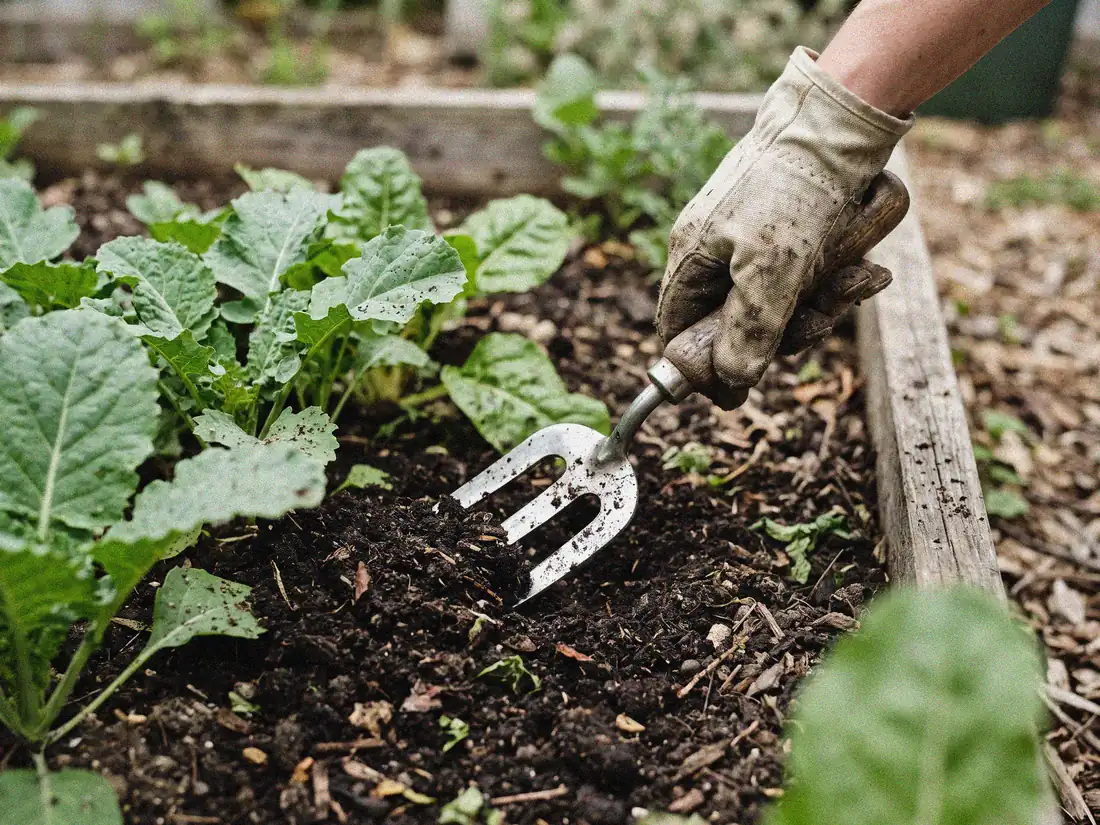
A common mix is about 60% garden soil and 40% compost, or a ready-made vegetable or raised-bed mix from a landscape supplier. For deep beds, you can save money by filling the bottom with coarse organic material and keeping the best soil for the top 30 cm.
| 2.4 × 1.2 m bed at 30 cm | Amount |
|---|---|
| Total soil | 864 L (0.86 m³): about 35 × 25 L bags |
| Garden soil (60%) | About 0.52 m³ |
| Compost (40%) | About 0.35 m³ |
Work out your own bed with the raised garden bed soil calculator. Beds settle after watering, so keep a few bags for topping up each season.
What mistakes should I avoid?
- Beds too wide to reach, so you end up stepping on the soil.
- Filling with plain topsoil only: it compacts and drains poorly without compost.
- Forgetting watering: raised beds dry out quickly in hot weather, so mulch the surface.
- Too shallow for what you want to grow.
Calculators for this job
More guides
 Crusher dust vs road base: which do you need?
 How to lay synthetic grass in Australia
 Colorbond fencing: panels, posts and how much to order
Barrowload guide · Australia · Figures are typical; always check your product and local rules.